Are Abs Really Made in the Kitchen?

 5 Aug 2023

When it comes to achieving well-defined abs, the saying 'abs are made in the kitchen' is often mentioned. While exercise plays a significant role in developing abdominal muscles, the role of nutrition in revealing those coveted six-pack abs should not be underestimated. In this blog post, we will explore the relationship between nutrition and abdominal muscle definition, shedding light on the importance of a healthy diet in achieving those toned abs.
The Role of Nutrition in Abdominal Muscle Definition
Reducing Body Fat
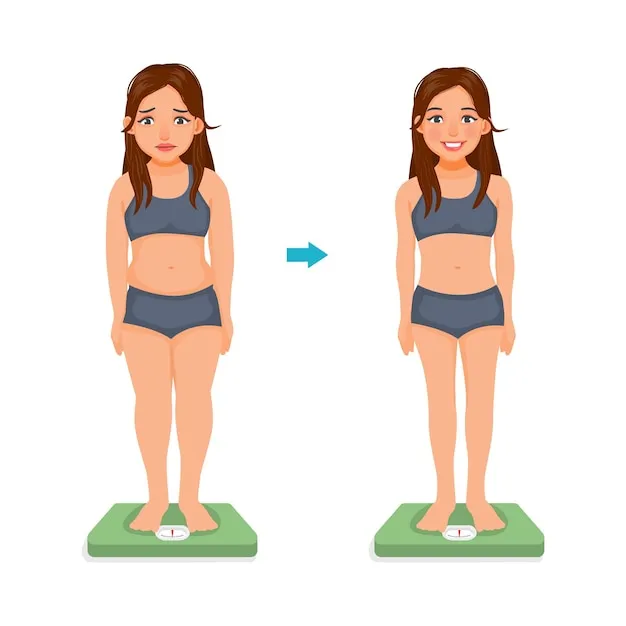
The primary reason nutrition plays a crucial role in developing defined abs is its impact on reducing body fat. No matter how developed your abdominal muscles are, they will remain hidden under layers of body fat without a proper diet. To reveal the abs, you need to reduce your overall body fat percentage through a calorie-controlled diet that creates a calorie deficit.
Achieving Energy Balance

Maintaining a proper energy balance is essential for achieving abdominal muscle definition. Consuming the right amount of calories, macronutrients, and micronutrients is crucial to support your energy needs and provide the nutrients necessary for muscle growth and repair. Striking the right balance between calorie intake and expenditure is key to optimize body composition and reveal those sculpted abs.
Key Nutrition Factors for Defined Abs
Calorie Control

To reduce body fat and reveal your abs, you need to create a calorie deficit. This can be achieved through portion control, mindful eating, and choosing nutrient-dense, lower-calorie foods. Balancing your energy intake with your energy expenditure is vital for sustainable fat loss and abdominal muscle definition.
Macronutrient Balance
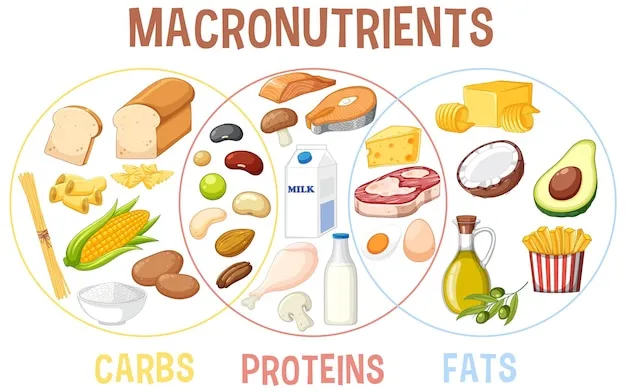
Proper macronutrient balance is important for supporting muscle growth and recovery while promoting fat loss. Focus on consuming adequate protein to support muscle synthesis, moderate amounts of healthy fats for satiety and hormone regulation, and complex carbohydrates for sustained energy levels.
Nutrient-Dense Foods
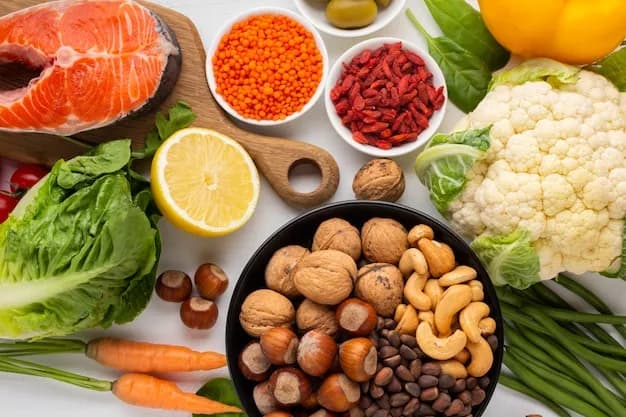
Opt for nutrient-dense whole foods that provide essential vitamins, minerals, and antioxidants. Include a variety of fruits, vegetables, lean proteins, whole grains, and healthy fats in your diet to support overall health and provide the necessary nutrients for optimal muscle function and definition.
The Holistic Approach: Exercise and Nutrition
Exercise for Abdominal Development

While nutrition is crucial for revealing abs, exercise plays a significant role in developing and strengthening the abdominal muscles. Incorporate targeted abdominal exercises, such as planks, crunches, and leg raises, into your fitness routine to build strength and definition in the abs.
The Synergy of Exercise and Nutrition
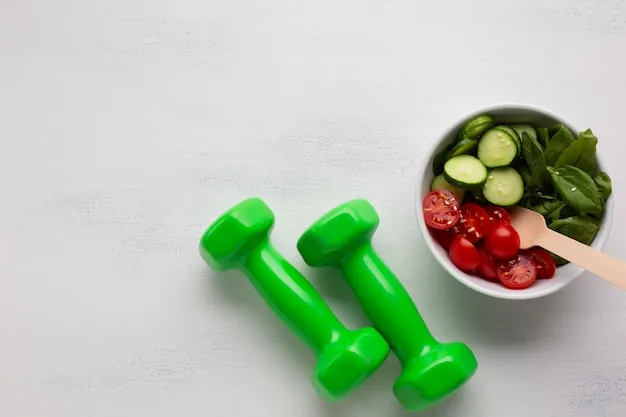
The path to defined abs lies in the synergy between exercise and nutrition. Regular exercise helps preserve muscle mass, boosts metabolism, and enhances fat-burning capabilities. Combined with a healthy diet, exercise maximizes the effects of nutrition by promoting muscle growth, improving body composition, and enhancing overall fitness.
Conclusion:
So, are abs really made in the kitchen? The answer is both yes and no. While exercise is crucial for developing and strengthening abdominal muscles, nutrition plays a fundamental role in revealing those abs by reducing overall body fat percentage. A healthy diet that supports a calorie deficit, balances macronutrients, and focuses on nutrient-dense foods is essential for achieving well-defined abs. When exercise and nutrition work together, you can unlock the potential of your abdominal muscles and reveal the sculpted abs you desire.
References:
Ross, R., et al. (2000). Medicine and Science in Sports and Exercise, 32(12), 2033-2040.
Stiegler, P., & Cunliffe, A. (2006). The Physician and Sportsmedicine, 34(1), 20-26.
Tipton, K. D., & Wolfe, R. R. (2004). Journal of the American College of Nutrition, 23(6 Suppl), 631S-636S.
Academy of Nutrition and Dietetics. (2016). Position of the Academy of Nutrition and Dietetics: Interventions for the Treatment of Overweight and Obesity in Adults. Journal of the Academy of Nutrition and Dietetics, 116(1), 129-147.